







By using this site, you agree to the Privacy Policy and Terms of Use.
Accept
EduTodayEduToday
  • Home
  • Education
    Education
    Show More
    Top News
    How to create a compliant and effective self-study guide
    November 1, 2021
    What to look for when choosing a student management system for a training institution
    April 25, 2022
    Think like a customer
    July 17, 2022
    Latest News
    What kind of leader should you become?
    October 24, 2022
    What it takes to become a successful strategic learner
    October 24, 2022
    Instructional strategies: what are they?
    October 24, 2022
    Pandemic-related drop in enrolments and delays in student visa approvals causing chaos for RTOs
    August 12, 2022
  • VET Sector
    VET Sector
    Show More
    Top News
    RPL Kits-Let’s discuss compliance with clauses 1.8 and 1.12
    August 22, 2021
    Interview with John Molenaar, Quality and Compliance Auditor
    December 14, 2021
    Benefits of upskilling and reskilling
    July 17, 2022
    Latest News
    What are the plans for improving the vocational education and training sector – what are we missing?
    October 24, 2022
    A message from the CEO (October 2022)
    October 24, 2022
    Message from the CEO (12 August 2022)
    August 12, 2022
    In vocational education and training, what is assessment?
    August 12, 2022
  • HEP Sector
    HEP Sector
    Show More
    Top News
    Online learning is much more than access to training and assessment materials online
    August 22, 2021
    University jobs lost at a rate of ‘one in five’ as COVID-19 border laws continue to bite
    September 19, 2021
    Interview with Peter Doukas – Managing Director, Denison Toyer Education Lawyers
    November 1, 2021
    Latest News
    Contract cheating – One out of every ten students submits assignments written by someone else – and the vast majority of them get away with it.
    January 31, 2022
    Interview with Peter Doukas – Managing Director, Denison Toyer Education Lawyers
    November 1, 2021
    University jobs lost at a rate of ‘one in five’ as COVID-19 border laws continue to bite
    September 19, 2021
    Online learning is much more than access to training and assessment materials online
    August 22, 2021
  • School Sector
    School Sector
    Show More
    Top News
    COVID-19 and changes in the changes in the Financial Viability and Risk Assessment (FVRA)
    August 8, 2021
    How ASQA assess the RTO registration renewal
    April 25, 2022
    Interview with The RTO Doctor’s Founding Director – Raelene Bartlett
    May 12, 2020
    Latest News
    Management of operational risks in training organisations
    October 24, 2022
    Strategies on how to promote your training organisation to international students
    October 24, 2022
    Creating a work environment that values employees
    October 24, 2022
    Continually reviewing, improving and self-assurance
    October 24, 2022
  • Australia
    Australia
    Show More
    Top News
    Part 1- The trainer and assessor files
    September 15, 2021
    Unpacking ASQA audit reports and files (Part 4)
    November 18, 2019
    Interview with David Jepsen, Founder and Principal of RTO Accountants
    November 1, 2021
    Latest News
    During the IHEA Dual-Sector Network conference, Sukh Sandhu addressed issues and changes in the VET sector.
    August 12, 2022
    ASQA’s as a national training package assurance body
    July 17, 2022
    A database of cheating websites has been updated through intelligence sharing.
    July 17, 2022
    An ASQA initiative called Pathways and Perspectives has been launched
    July 17, 2022
  • Science & Tech
    Science & Tech
    Show More
    Top News
    Assessment issues that may have an impact on your RTO audit (Part 2)
    August 18, 2021
    Unpacking ASQA audit reports and files (Part 1)
    September 18, 2019
    Various phases of the assessment and validation processes (Part 3)
    August 31, 2021
    Latest News
    The purpose of due-diligence audits
    August 12, 2022
    Set boundaries, establish guidelines, and work within them.
    June 27, 2022
    Message from the CEO
    October 14, 2021
    Why organisations should prioritise systematic continuous improvement as a strategic priority
    October 14, 2021
  • More
    • TV
    • Movies
Reading: How artificial intelligence and machine learning will change the education and training industry
Notification Show More
Latest News
Australian gov’t to review HE in long-term plan
News
Australia declined 50% of student visa applications from India in 2022
News
New Victoria University program gives high school leavers ‘space’ to figure out future
News
Fee-free TAFE and VET places for South Australians – Ai Group comment
News
CQU vocational education leader receives accolade
News
Aa
Aa
EduTodayEduToday
  • Business
  • Industry
  • Politics
  • Home
    • Home 1
    • Home 2
    • Home 3
    • Home 4
    • Home 5
  • Categories
    • Industry
    • Business
    • Politics
  • Bookmarks
  • More Foxiz
    • Sitemap
Have an existing account? Sign In
Follow US
  • Advertise
© 2022 Foxiz News Network. Ruby Design Company. All Rights Reserved.
Education

How artificial intelligence and machine learning will change the education and training industry

Vijay
Last updated: 2022/02/20 at 4:10 PM
By Vijay 5 Min Read


There’s a lot of talk about artificial intelligence and machine learning today, but what exactly is it?
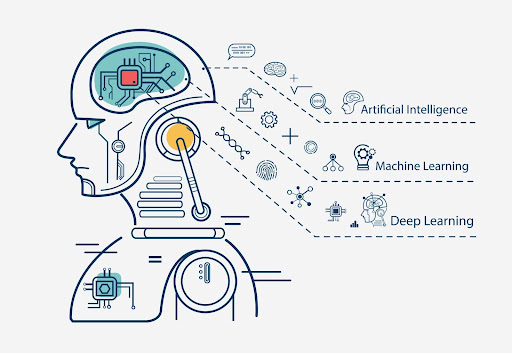
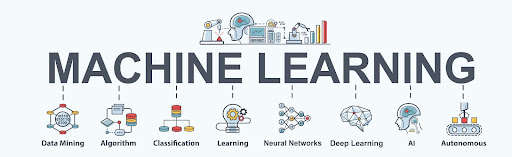
Machine learning is a process of developing computer programs that can learn from data without being explicitly programmed by a human. This gives it the ability to process large amounts of data and find patterns within them. Its development has led to significant advances in computational science and many experts predict this technology will lead to more change in society than even personal computing or the Internet.
Artificial intelligence is transforming almost every industry imaginable — from transportation (Google’s self-driving cars) to finance (robotic investment advisors) and healthcare (virtual doctors). Education and training are no exception. Artificial intelligence can be used in several ways: teaching, training and recruiting.
The education and training industry is an important sector of the economy. It is also a very complex one. AI and machine learning are changing how we learn, teach, and train. They are making it possible for us to learn in new ways, teach in new ways, and train in new ways.
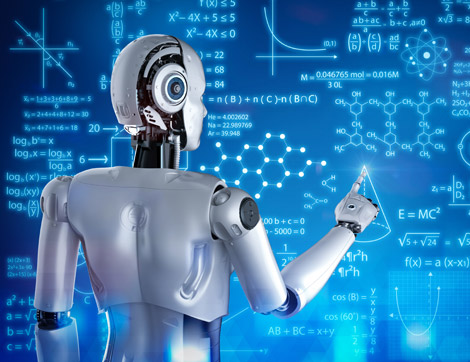
In the classroom, you can expect AI to make a huge impact on education, creating personalised learning plans for students whilst also optimising lesson plans to better meet their needs. This is already happening today in higher education at institutions like MIT and Harvard University which use online learning platforms from companies like Coursera to deliver lectures directly to students according to their academic progress and readiness levels.
Personalised instruction will be a boon for teaching languages. The Association of Language Testers in Education notes that language educators have been using computer-assisted language learning (CALL) since the 1980s — with good results. But CALL has traditionally been based on programmed instruction where “the teacher’s role is to monitor and evaluate the learners’ responses and to provide corrective feedback where necessary.” Similarly, there are a number of companies today that use AI to automatically generate personalised instruction for language learners.
It is predicted that “fully autonomous personalised language tutors” will exist in the near future, thanks to advancements in natural language processing technologies that enable chatbots to converse naturally with individuals.
In the past, training was largely a one-way process where an instructor delivered content to some learners and those individuals made their best effort to absorb it. The advent of new technologies has given rise to two-way communication between instructors and students which makes learning a collaborative experience.
Machine learning gives companies a way to more efficiently assess learning outcomes by providing them with specific data through analytics about how different groups of learners have performed in the past. Data on student performance can be applied to future hires so that they fit better into teams from the start — saving time and money on training later down the road. Via machine learning, businesses can identify which students are most likely to complete training programs and become high-performing employees. It will also help reduce human errors by automating some tasks or replacing human teachers with AI teachers who are better at teaching concepts like math or science. The future of education will be more personalised and customised for every individual student. The rise in popularity of MOOCs (massive open online courses) has paved the way for this change.
Another big change: in the future, training and development will be a continuous process rather than something that happens once or twice a year. This is already happening today at companies like Google and Pivotal Labs where employees continue to learn no matter how long they have worked for the company thanks to daily on-the-job learning opportunities.
AI can even help recruiters find candidates by giving them access to personalised recommendations based on their unique needs. Today, many organisations are using automated recruiting platforms that provide them with tools to assess their own internal talent as well as assess external candidates against open roles based on skillsets and other qualifications.

Post Views: 77

[ruby_related total=5 layout=5]

Previous Article What types of jobs are likely to be in demand in the future?
Next Article RTO compliance guide to buy compliant assessment resources
EduTodayEduToday

© 2022 EduToday. Online Media Solutions. All Rights Reserved.

Removed from reading list

Undo
Welcome Back!

Sign in to your account

Lost your password?